Mold Inspection & Mold Removal In Florida
Are you looking for mold testing, remediation, and restoration services in Florida? Look no further. We are here to help you. Call us today to make your residence mold-free.
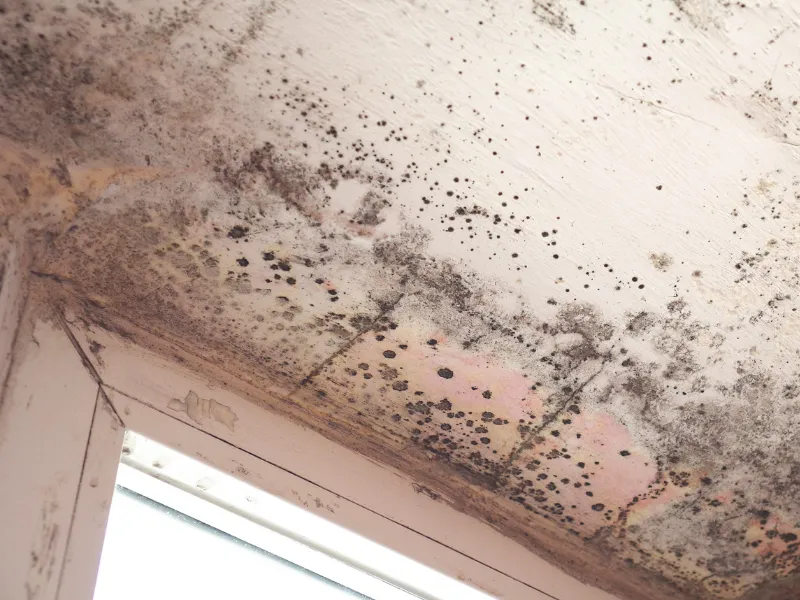
Mold Inspection & Mold Removal In Florida
Are you looking for mold testing, remediation, and restoration services in Florida? Look no further. We are here to help you. Call us today to make your residence mold-free.
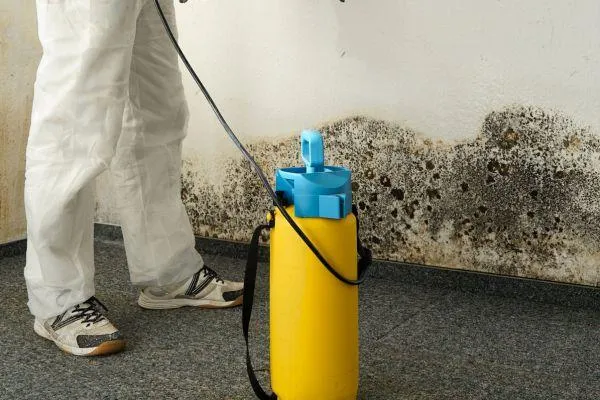
What is Mold?
Mold is a type of fungus that grows in damp and humid places. It can be found anywhere from your bathroom to your kitchen. Mold can trigger asthma and cause allergies and other respiratory problems.
What is Mold?
Mold is a type of fungus that grows in damp and humid places. It can be found anywhere from your bathroom to your kitchen. Mold can trigger asthma and cause allergies and other respiratory problems.
Causes Of Mold Damage
The most important step in mold remediation is to find out the actual causes leading to the formation of molds. Molds are tiny spores that proliferate, and it is essential to take action against them so your home remains clean and a healthy place to live in.
Moisture
Moisture is one of the major causes that lead to mold growth. Not only is standing water the reason for moisture, but the drops dripping from the ceiling or on top of the roof can also cause moisture. Bathrooms are the home to moisture. Leakage in water pipes can also lead to moisture.
Absence of Sunlight
There are ultraviolet rays in natural sunlight, which lead to the destruction of the cellular structure of molds. Direct exposure to sunlight prevents mold growth. Artificial lighting does not have as much intensity as that direct sunlight, so mold growth cannot be controlled by it. Florescent light bulbs or another indoor lighting like candle lights cannot lessen the dampness of the place; hence the molds find more room to grow in humid and damp locations. For this reason, you will see more molds in your house’s basement, closets, or other less-light areas.
Lack of Ventilation
Poorly ventilated areas with stagnant air provide an ideal environment for mold spores to settle and multiply, leading to potential structural damage.
Temperature
Molds prefer warm temperatures, usually between 77°F and 86°F. If these conditions persist, especially with moisture, mold growth can occur rapidly, causing substantial damage over time.
What Is the Mold Remediation Process?



Your Call Starts the Journey
When you call us, we kickstart the mold cleanup. Our specialist chats with you, asking questions to figure out what tools, help, and supplies we need to fix your home.

Checking Your Home
Next, we take a good look around your property for mold signs. We use special technologies to find hidden mold and water spots to ensure the mold doesn't come back after cleanup.

Containing the Mold
We use special techniques to stop mold from spreading in your home. We even switch off fans and HVAC systems to control the spread while we're working.

Clearing the Air
We use top-notch filters to catch tiny mold spores from the air. Our powerful 'air scrubbers' and vacuums make sure no mold spores spread during cleanup.

Removing Mold
We apply treatments to get rid of mold. If there's a lot of mold, we might need to throw away things like carpets and drywall that the mold has grown into.

Cleaning Time
We scrub and clean everything the mold touched, from floors to HVAC systems, and even curtains and documents. We'll also make sure the air in your home is fresh and clean.

Restoration
Depending on the mold damage, we might need to fix or replace parts of your home, like drywall or carpets. In severe cases, we might need to rebuild some rooms.
What Is the Mold Remediation Process?
Your Call Starts the Journey
When you call us, we kickstart the mold cleanup. Our specialist chats with you, asking questions to figure out what tools, help, and supplies we need to fix your home.
Checking Your Home
Next, we take a good look around your property for mold signs. We use special technologies to find hidden mold and water spots to ensure the mold doesn't come back after cleanup.
Containing the Mold
We use special techniques to stop mold from spreading in your home. We even switch off fans and HVAC systems to control the spread while we're working.
Clearing the Air
We use top-notch filters to catch tiny mold spores from the air. Our powerful 'air scrubbers' and vacuums make sure no mold spores spread during cleanup.
Removing Mold
We apply treatments to get rid of mold. If there's a lot of mold, we might need to throw away things like carpets and drywall that the mold has grown into.
Cleaning Time
We scrub and clean everything the mold touched, from floors to HVAC systems, and even curtains and documents. We'll also make sure the air in your home is fresh and clean.
Restoration
Depending on the mold damage, we might need to fix or replace parts of your home, like drywall or carpets. In severe cases, we might need to rebuild some rooms.
Why Choose Us?
Highly-Trained Technicians
Our technicians aren't just trained, they're highly skilled with a deep understanding of mold inspection and removal. They are equipped with cutting-edge techniques and knowledge to handle mold issues efficiently and safely.
#1 In Mold Removal
We're not just participants in the fight against mold - we're leading it. Recognized as the number one service for mold inspection and removal in Florida, we're committed to providing superior service that exceeds expectations.
Hassle-Free Insurance Claims
Dealing with mold is stressful enough without adding insurance complications. We streamline the insurance claims process for you, making it as straightforward and easy as possible.
Frequently Asked Questions
Do I genuinely need mold remediation?
Yes, if mold is spreading in your home, it's crucial to address it. Mold doesn't just cause damage to your property; it can also lead to health issues. Mold remediation helps keep your home safe and healthy.
Is it okay to stay at home during the mold remediation process?
We typically recommend that you and your family, especially those with allergies or respiratory conditions, stay away from the area being treated. However, if it's limited to a small part of the house, you might be able to stay at home during the process.
Can I just clean up the mold myself?
While it's possible to clean minor mold outbreaks yourself, a professional remediation service is necessary for larger infestations. DIY methods may not fully eliminate the mold and can potentially expose you to health risks.
Is mold really harmful to my health?
Yes, exposure to molds can lead to various health issues ranging from allergies and skin irritation to more severe respiratory problems. Certain types of molds, like black mold, are particularly hazardous.